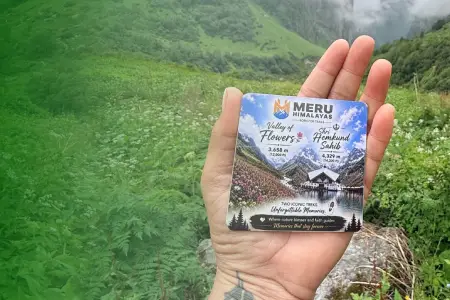
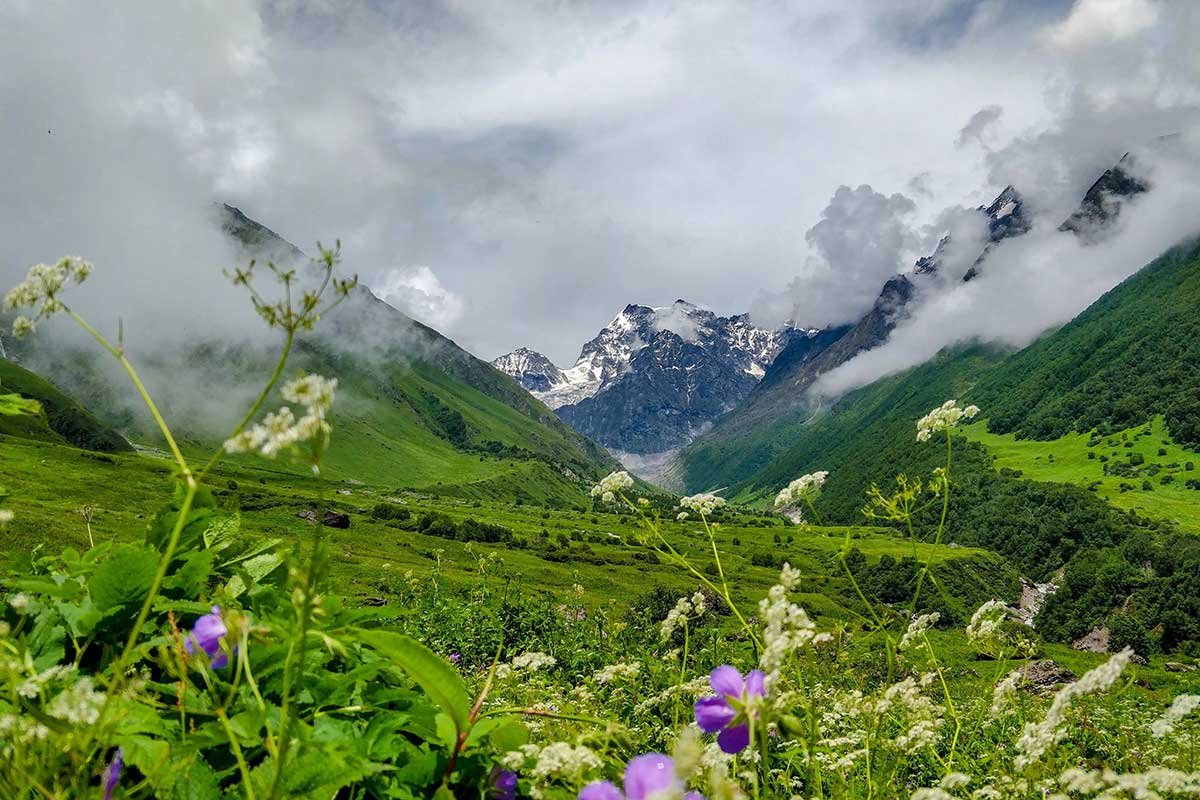
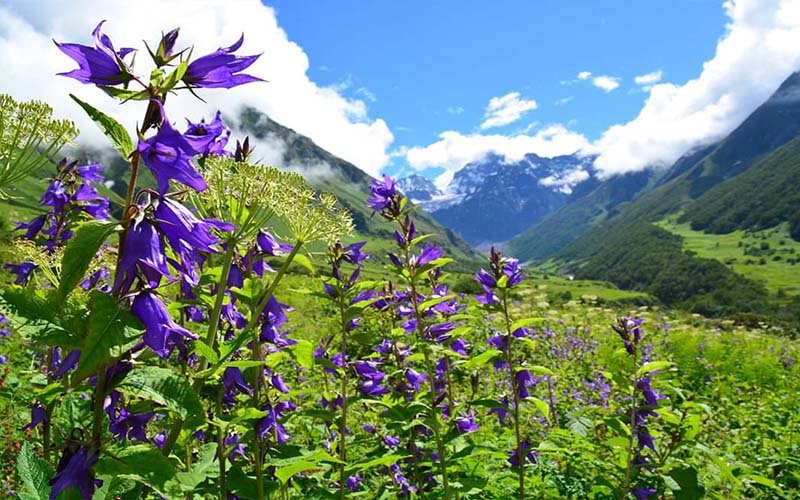
India’s Valley of Flowers National Park is renowned for its meadows of endemic alpine flowers and outstanding natural beauty. This richly diverse area is also home to rare and endangered animals, including the Asiatic black bear, snow leopard, brown bear and blue sheep. The gentle landscape of the Valley of Flowers National Park complements the rugged mountain wilderness of Nanda Devi National Park.
The valley is believed to have been discovered in 1931, when three British mountaineers – led by Frank S Smythe – lost their way and chanced upon this spectacular valley. Attracted by the beauty of this place they named it the “Valley of Flowers”.
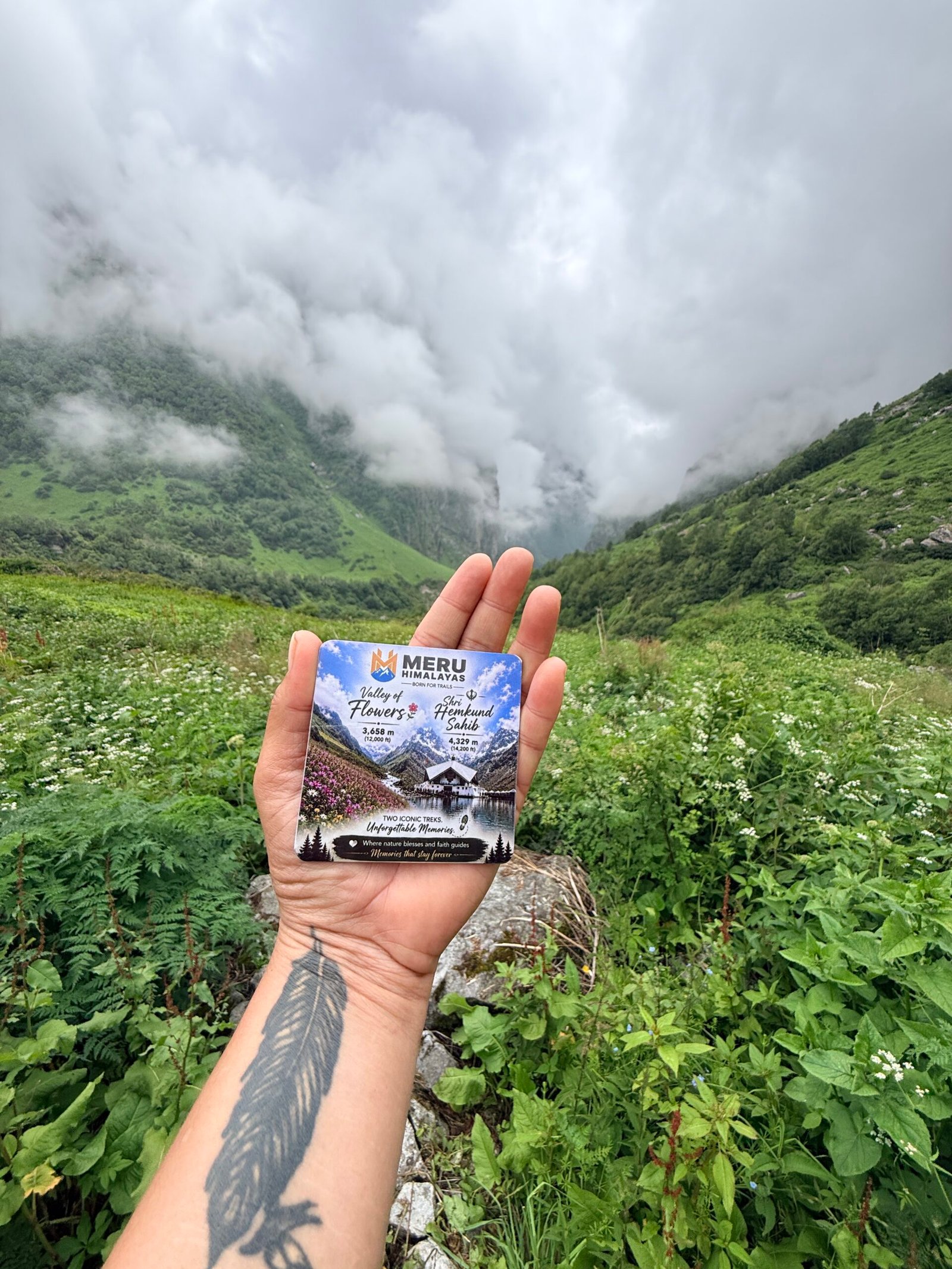
As the name suggests, Valley of Flowers is a destination where nature blooms in full glory offering a breathtaking experience. Exotic flowers (over 600 species) like orchids, poppies, primulas, marigold, daisies and anemones are an eye-catching spectacle. Sub-alpine forests birch and rhododendron cover parts of the park's area. The trek to the valley offers eye-catching spectacles like cascading waterfalls and wild streams. Situated at an altitude of around 3,600 m above the sea level, the valley is also home to such rare and amazing wildlife species like the gray langur, the flying squirrel, the Himalayan weasel, and black bear, the red fox, the lime butterfly, the snow leopard
6 Days 5 Nights
Inclusion:
Transportation from Risikesh to Pandukeshwar and back is covered.
Meals are provided from dinner at Pandukeshwar on Day 1 to day 6 breakfast.
Accommodation is included for all days of the trek. Hotel will be provided on a triple sharing basis/ Quad sharing. Single and double sharing available at extra cost.
A qualified professional team, including a mountaineering certified trek leader, guide, cook and support staff, will company you.
First aid medical kit, portable oxygen provided for safety.
Exclusion:
The best time to visit the Valley of Flowers is between June and September, right after the snow has melted and the valley comes alive. July and August are peak bloom months when thousands of flowers are in full color. The monsoon rains bring the valley to life, and makes it the most colourful and vibrant during this time.
The total distance of the valley of Flowers trek is round 37 km, including the Hemkund Sahib visit. The trek from Pulna to Ghangaria (base camp) is about 9 km, and from Ghangaria to the Valley of Flowers is another 4 km one way. The Hemkund Sahib trek adds an additional 6 km one way.
The Valley of Flowers is ituated at an altitude of around 12,000 ft, while emkund Sahib is located at a higher altitude of about 14,100 ft.
The trek starts from Pulna, located close to Govindghat in Uttarakhand. From Pulna, you begin the actual trekking route towards Ghangaria, the base for visiting both the Valley of Flowers and Hemkund Sahib.
The entire Valley of Flowers trek takes around 6 days, including travel from Rishikesh. The trekking part
is about 4 days. If you are traveling from Delhi, it is good to keep around a week for the complete journey.
The Valley of Flowers is located in Chamoli district of Uttarakhand, in the western Himalayas. It lies within the Nanda Devi Biosphere Reserve and is a UNESCO World Heritage Site.
Yes, forest permissions and entry permits are required. These permits help regulate footfall and ensure the conservation of the region’s biodiversity. However, you don’t have to worry about arranging them yourself. If you are trekking with an experienced organization like Meru Himalayas all necessary permits, forest permissions, and related fees are taken care of and included in your trek package. This allows you to enjoy the trek without the stress of handling logistics.
During the Valley of Flowers trek, you can expect to stay in simple lodges or guest houses along the way.
These places offer basic but comfortable rooms with the necessary things like beds, blankets, and clean washrooms. Camping is not allowed inside the valley itself, so all stays are in nearby villages like Ghangaria. While the facilities are not very fancy, they are good enough to rest and relax after a long day of trekking.
Yes, it rains frequently during the trek. The Valley of Flowers blooms beautifully because of the Indian monsoon. The peak visiting months of July and August see daily rain showers, mountain mist, and occasional heavy downpours. You must pack high-quality rain gear, waterproof trekking shoes, and rain covers for your bags.
Yes, children (minimum 9 years old) and fit older people can complete this trek. The trail is well-paved, but it is steep at some sections and requires good stamina to walk. For anyone who cannot walk long distances, local helpers offer porters to carry you or your bags from the starting point up to the Ghangaria base camp. However, please note that ponies are banned inside the actual flower valley, so trekkers and visitors must be able to walk the final flat stretch.
Yes, Hemkund Sahib is included in the Valley of Flowers trek itinerary. On Day 4, trekkers visit Hemkund Sahib from Ghangaria and return the same day. The trek to Hemkund Sahib is steeper and more challenging compared to the Valley of Flowers trail, but the beautiful views and spiritual atmosphere make it a very special experience.
Yes, beginners can definitely do the Valley of Flowers trek. With basic fitness and the right preparation, it’s a great choice for first-time trekkers. The well-laid path and support from guides make it beginner-friendly.
We understand that plans can change. Our cancellation policy is designed to be fair for both participants and organizers.

Born for Trails
Top Destination
Information
Follow Us
Payment channels